
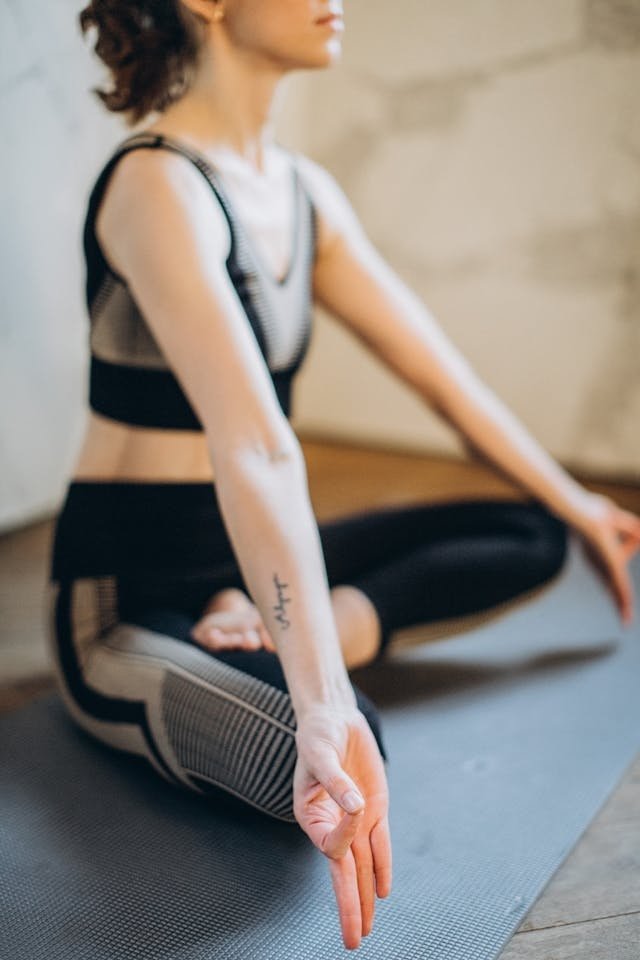
Integrating meditation into your yoga routine doesn't have to be complicated or time-consuming. In fact, the combination of these two practices creates a synergistic effect that enhances both. Many practitioners find that once they experience the benefits of combining yoga and meditation, they can't imagine practicing one without the other. Whether you're a beginner or an experienced yogi, there are simple, practical ways to weave meditation into your existing practice.
At yoga teacher training programs in Bali, students learn that yoga and meditation are not separate practices but complementary aspects of a complete spiritual and physical discipline. The physical postures prepare the body for meditation, while meditation deepens the awareness brought to the physical practice.
Why Integrate Meditation with Yoga?
Before diving into the "how," it's helpful to understand the "why." Meditation and yoga work together to create a complete practice:
- Yoga prepares your body for comfortable sitting meditation by releasing tension and improving posture
- Meditation enhances the mindfulness you bring to yoga poses, deepening the practice
- The combination addresses both physical and mental aspects of well-being
- Together, they create a more balanced and transformative experience
- Regular integration builds a sustainable, holistic practice
Method 1: Begin with Meditation
Starting your yoga practice with meditation sets a powerful foundation. This approach helps you transition from the busyness of daily life into a mindful, present state before moving your body.
How to Do It
- Sit comfortably on your mat or cushion for 5-10 minutes before beginning asanas
- Set an intention for your practice (gratitude, healing, strength, etc.)
- Focus on your breath, allowing your mind to settle
- When you feel centered, transition smoothly into your yoga practice
- Carry the meditative awareness into your movement
Benefits
- Creates mental clarity before physical practice
- Sets a positive intention for your session
- Helps you leave daily concerns behind
- Makes your yoga practice more mindful from the start
Method 2: End with Meditation
Ending your yoga practice with meditation allows your body to fully integrate the benefits of your physical practice while your mind settles into deeper states of awareness.
How to Do It
- After your final Savasana, transition to a comfortable seated position
- Spend 5-15 minutes in seated meditation
- Notice how your body feels after practice—often more relaxed and open
- Use this relaxed state to deepen your meditation
- End with a moment of gratitude for your practice
Benefits
- Body is already relaxed, making sitting easier
- Mind is calmer after physical practice
- Allows full integration of practice benefits
- Creates a peaceful transition back to daily life
Method 3: Moving Meditation During Yoga
You don't need to sit still to meditate. Your entire yoga practice can become a moving meditation when practiced with mindful awareness.
How to Do It
- Move slowly and mindfully through each pose
- Maintain awareness of your breath throughout
- Observe sensations, thoughts, and emotions without judgment
- Stay present with each movement and transition
- Practice the same non-judgmental awareness you cultivate in seated meditation
Benefits
- No extra time needed—meditation happens during yoga
- Deepens the mindfulness of your physical practice
- Makes every pose a meditation
- Builds present-moment awareness naturally
Method 4: Meditation Between Poses
Take brief meditation moments between poses or sequences to check in with yourself and maintain awareness.
How to Do It
- After a challenging sequence, pause in Mountain Pose or a simple standing position
- Take 5-10 deep breaths with full awareness
- Notice how your body feels, how your breath is
- Check in with your mental state
- Then continue with your practice
Method 5: Separate but Connected Sessions
Some practitioners prefer to do yoga and meditation as separate sessions but keep them connected through intention and awareness.
How to Do It
- Practice yoga in the morning and meditation in the evening (or vice versa)
- Carry the awareness from one practice into the other
- Use similar intentions or themes for both
- Notice how each practice informs and enhances the other
Practical Tips for Integration
Start Small
Begin with just 2-5 minutes of meditation. Even this short duration can make a significant difference. As you become more comfortable, gradually increase the time.
Be Flexible
Some days you might meditate before yoga, other days after. Some days you might do a moving meditation. Be flexible and listen to what your body and mind need.
Use Guided Meditations
If sitting in silence feels challenging, use guided meditations. There are many apps and online resources with meditations specifically designed for yoga practitioners.
Create a Ritual
Establishing a simple ritual can help signal to your mind that it's time for practice. This might include lighting a candle, saying a prayer or affirmation, or taking a few deep breaths.
Don't Force It
If meditation feels difficult on a particular day, be gentle with yourself. Even a few mindful breaths count. The goal is integration, not perfection.
Meditation Techniques for Yoga Practitioners
Breath Awareness
This is perfect for yoga practitioners as it directly connects to pranayama. Simply observe your natural breath without trying to change it.
Body Scan
After yoga, do a body scan meditation, moving awareness through different parts of your body and noticing sensations.
Loving-Kindness
Cultivate compassion for yourself and others, which supports a healthy, non-competitive yoga practice.
Mantra Meditation
Repeat a meaningful word or phrase (like "Om" or "peace") silently, which can help focus the mind.
Common Challenges and Solutions
Challenge: "I don't have time"
Solution: Start with just 2-3 minutes. You can meditate during Savasana or between poses. Even brief moments of mindfulness count.
Challenge: "I can't sit still"
Solution: Use your yoga practice to prepare your body. Physical practice releases tension, making sitting easier. Start with meditation after yoga when your body is relaxed.
Challenge: "My mind is too busy"
Solution: A busy mind is normal. Meditation isn't about stopping thoughts but observing them. Use guided meditations or focus on the breath to anchor your attention.
Sample Integrated Practice Schedule
30-Minute Practice
- 5 minutes: Seated meditation and intention setting
- 20 minutes: Yoga asana practice with mindful awareness
- 5 minutes: Savasana and seated meditation
60-Minute Practice
- 10 minutes: Seated meditation
- 40 minutes: Yoga practice (moving meditation)
- 10 minutes: Savasana and closing meditation
Learning Integration in Yoga Teacher Training
At The Sun Yoga Teacher Training in Bali, students learn to seamlessly integrate meditation into their personal practice and teaching. The curriculum includes dedicated meditation sessions, techniques for different situations, and how to guide students through integrated practices. This comprehensive training ensures graduates can offer a complete, transformative experience to their students.
"The integration of meditation and yoga creates a practice that is greater than the sum of its parts. When these disciplines come together, they form a complete path to physical health, mental clarity, and spiritual growth."
The Long-Term Benefits
When you consistently integrate meditation with yoga, you'll notice:
- Deeper, more mindful yoga practice
- Easier meditation due to physical preparation
- Greater overall sense of well-being
- Improved ability to handle stress
- Enhanced self-awareness
- More balanced approach to life
- Sustainable, lifelong practice
Getting Started Today
You don't need to wait for the perfect time or have a long practice session. Here's how to start right now:
- Next time you practice yoga, add just 2 minutes of seated meditation at the beginning or end
- During your practice, try maintaining present-moment awareness for one full sequence
- End your next practice with 5 minutes of meditation instead of rushing off your mat
- Experiment with different methods to find what resonates with you
- Be patient and consistent—integration is a process, not a destination
Integrating meditation into your yoga routine is one of the most powerful ways to deepen your practice and enhance your overall well-being. Start small, be consistent, and allow the practices to naturally weave together. Over time, you'll discover that yoga and meditation are not separate practices but two aspects of a unified path toward health, awareness, and inner peace.