
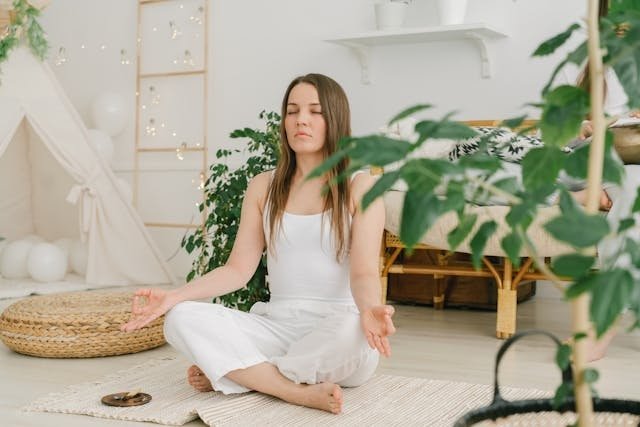
Meditation and yoga are complementary practices that, when combined, create a powerful tool for transformation. While yoga focuses on physical postures and movement, meditation cultivates mental stillness and awareness. Together, they form a complete practice that addresses body, mind, and spirit. At yoga teacher training programs in Bali, students learn to integrate these practices seamlessly, discovering how meditation can elevate their yoga practice from mere physical exercise to a profound spiritual journey.
Many practitioners begin yoga for its physical benefits—increased flexibility, strength, and stress relief. However, when meditation is integrated into the practice, yoga becomes a transformative experience that goes far beyond the mat. Meditation brings a deeper level of awareness to your yoga practice, helping you connect with your body, breath, and inner wisdom in ways that physical postures alone cannot achieve.
The Synergy of Yoga and Meditation
Yoga and meditation are two sides of the same coin. In traditional yoga philosophy, asana (physical postures) was originally designed to prepare the body for meditation. The physical practice helps release tension, improve posture, and create the physical comfort necessary for extended sitting. Meditation, in turn, brings mindfulness and awareness to the physical practice, transforming it from exercise into a moving meditation.
How Meditation Enhances Your Yoga Practice
1. Deepened Body Awareness
Meditation trains you to observe sensations, thoughts, and emotions without judgment. When you bring this skill to your yoga practice, you develop a heightened awareness of your body's signals. You become more attuned to areas of tension, misalignment, or discomfort, allowing you to adjust your practice accordingly. This awareness helps prevent injury and enables you to practice more intelligently.
2. Enhanced Breath Awareness
Breath is the bridge between body and mind in both yoga and meditation. Meditation practice deepens your connection to the breath, teaching you to observe its natural rhythm. In yoga, this translates to more conscious breathing during asanas, which enhances the benefits of each pose and helps you move with greater ease and grace.
3. Improved Focus and Concentration
Meditation is essentially a practice of training attention. Regular meditation strengthens your ability to maintain focus, which directly benefits your yoga practice. Instead of your mind wandering during a challenging pose, you can maintain present-moment awareness, fully experiencing each posture and its effects.
4. Emotional Regulation
Meditation teaches you to observe emotions without being overwhelmed by them. This skill is invaluable in yoga, especially when encountering challenging poses or physical limitations. Instead of reacting with frustration or judgment, you can observe these feelings with equanimity and respond with compassion toward yourself.
5. Deeper Relaxation and Recovery
Meditation activates the parasympathetic nervous system, promoting deep relaxation. When you end your yoga practice with meditation, you allow your body to fully integrate the benefits of the physical practice. This combination enhances recovery, reduces stress, and promotes overall well-being.
Ways to Integrate Meditation into Your Yoga Practice
Begin with Meditation
Starting your yoga practice with 5-10 minutes of seated meditation sets a powerful intention and creates a calm, focused state of mind. This meditation can be as simple as focusing on your breath or setting an intention for your practice. Beginning with stillness helps you transition from the busyness of daily life into the mindful awareness needed for yoga.
Practice Moving Meditation
During your asana practice, maintain meditative awareness. Instead of rushing through poses, move slowly and mindfully. Pay attention to each movement, each breath, and each sensation. This transforms your entire yoga practice into a moving meditation, where every pose becomes an opportunity for present-moment awareness.
Hold Poses with Awareness
When holding yoga poses, practice the same non-judgmental awareness you cultivate in meditation. Observe sensations, thoughts, and emotions that arise. Notice any tendency to push beyond your limits or to avoid discomfort. This meditative approach to asana practice deepens both your physical and mental flexibility.
End with Savasana and Meditation
After your physical practice, spend time in Savasana (corpse pose) and then transition into seated meditation. This allows your body to fully relax and integrate the benefits of your practice while your mind settles into deeper states of awareness. Many practitioners find that meditation comes more easily after physical practice, as the body is relaxed and the mind is already in a receptive state.
The Transformative Effects
When meditation and yoga are practiced together consistently, the transformation extends far beyond the mat:
- Increased self-awareness and emotional intelligence
- Better stress management in daily life
- Improved relationships through greater presence and compassion
- Enhanced creativity and problem-solving abilities
- Greater sense of purpose and meaning
- Improved sleep quality and overall health
- Deeper connection to your authentic self
- Greater resilience in facing life's challenges
Common Challenges and Solutions
Challenge: "I can't sit still for meditation"
Solution: Use your yoga practice to prepare your body for meditation. Physical practice releases tension and creates the physical comfort needed for sitting. Start with just 2-3 minutes of meditation after yoga and gradually increase the duration.
Challenge: "My mind is too busy during yoga"
Solution: Regular meditation practice trains your mind to be less reactive to thoughts. As your meditation practice deepens, you'll find it easier to maintain focus during yoga. Consider practicing meditation before yoga to set a calm, focused tone.
Challenge: "I don't have time for both"
Solution: You don't need separate sessions. Integrate meditation into your existing yoga practice. Start or end your yoga session with just 5 minutes of meditation. Even this small addition can be transformative.
Meditation Techniques for Yoga Practitioners
Breath Awareness Meditation
This is perfect for yoga practitioners as it directly connects to pranayama (breath control) practiced in yoga. Simply observe your natural breath without trying to change it. When your mind wanders, gently return attention to the breath.
Body Scan Meditation
After yoga, practice a body scan meditation. Slowly move your awareness through different parts of your body, noticing sensations, tension, or relaxation. This deepens the integration of your physical practice.
Loving-Kindness Meditation
This practice cultivates compassion, which is essential for a healthy yoga practice. It helps you approach your practice (and yourself) with kindness rather than judgment or competition.
Learning Integration in Yoga Teacher Training
At The Sun Yoga Teacher Training in Bali, students learn to seamlessly integrate meditation into their yoga practice and teaching. This comprehensive approach ensures that graduates can guide students through a holistic practice that addresses all aspects of well-being. The training includes dedicated meditation sessions, meditation techniques for different situations, and how to incorporate mindfulness into asana classes.
"When meditation and yoga come together, practice becomes transformation. The physical postures prepare the body, and meditation opens the mind, creating a complete path to self-realization and inner peace."
Getting Started
If you're new to integrating meditation with yoga, start simply:
- Add 5 minutes of seated meditation before or after your yoga practice
- During yoga, practice maintaining present-moment awareness
- End each practice with Savasana and a few minutes of meditation
- Be patient with yourself—integration takes time
- Experiment to find what works best for you
- Consider joining a yoga teacher training program to deepen your understanding
The combination of yoga and meditation is one of the most powerful tools for personal transformation available. By integrating these practices, you create a complete system for physical health, mental clarity, emotional balance, and spiritual growth. The transformation that begins on the mat extends into every aspect of your life, creating lasting positive change.