
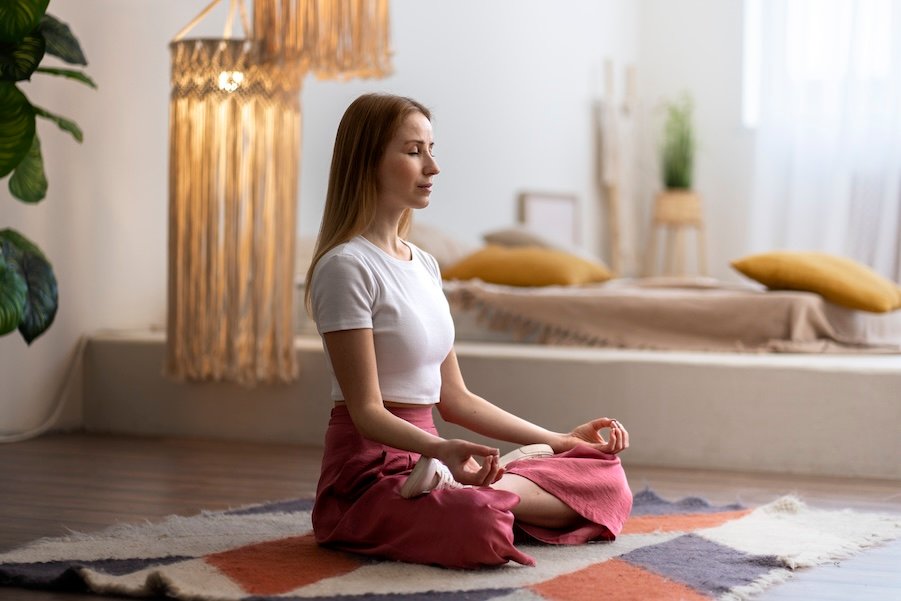
Creating a dedicated meditation space in your home can significantly enhance your practice and make it easier to maintain a consistent routine. A peaceful, clutter-free environment helps you focus, relax, and connect with your inner self more deeply. Whether you have an entire room to dedicate or just a small corner, you can create a sacred space that supports your meditation journey.
The environment in which you meditate plays a crucial role in the quality of your practice. Just as yoga studios in Bali are designed to promote tranquility and focus, your home meditation space should be a sanctuary that invites peace and introspection.
Choosing the Right Location
The first step in creating your meditation space is selecting the right location. This doesn't require a large room—even a small corner can become a powerful sanctuary.
Key Considerations for Location
- Choose a quiet area away from high-traffic zones and noise
- Prefer natural light if possible, but ensure you can control lighting for different times of day
- Select a space that feels separate from your daily activities
- Ensure good air circulation and ventilation
- Consider privacy—you want to feel undisturbed during practice
- If space is limited, a corner of your bedroom or a walk-in closet can work beautifully
Clearing and Preparing the Space
Before setting up your meditation space, take time to clear and prepare the area. This process itself can be meditative and helps establish the intention for your practice.
- Remove clutter and unnecessary items from the area
- Clean the space thoroughly—physical cleanliness supports mental clarity
- Consider the energy of the space—does it feel peaceful?
- If possible, face your meditation space toward the east (traditional direction for spiritual practice)
- Ensure the floor is clean and comfortable for sitting
Essential Elements for Your Meditation Space
Comfortable Seating
Your meditation cushion or seat is one of the most important elements. Choose something that supports good posture while being comfortable enough for extended sitting.
- Meditation cushion (zafu) or bench for floor sitting
- Yoga mat or meditation rug to define the space
- Bolsters or pillows for additional support
- If you prefer chairs, choose one with a straight back and no armrests
- Consider your body's needs—knee problems may require a chair or higher cushion
Lighting
Lighting sets the mood and can significantly impact your meditation experience.
- Natural light is ideal during daytime meditation
- Soft, warm lighting for evening practice (avoid harsh overhead lights)
- Candles can create a peaceful, meditative atmosphere
- Dimmer switches allow you to adjust lighting throughout your practice
- Salt lamps provide soft, warm light and are believed to purify the air
- String lights or fairy lights can add a gentle, calming ambiance
Aromatherapy and Scents
Scents can help signal to your brain that it's time to meditate and can enhance relaxation.
- Incense sticks or cones (sandalwood, lavender, or frankincense are popular choices)
- Essential oil diffuser with calming scents like lavender, eucalyptus, or chamomile
- Sage or palo santo for smudging and clearing energy
- Fresh flowers or plants to bring natural beauty and air purification
- Avoid overwhelming scents—subtle is better for meditation
Sacred Objects and Symbols
Objects that hold personal meaning can deepen your connection to your practice.
- Statues or images of spiritual figures that inspire you
- Crystals or stones (clear quartz, amethyst, or rose quartz are popular)
- Mala beads for mantra meditation
- Singing bowl or bell to mark the beginning and end of practice
- Personal items that remind you of your intention or spiritual path
- Artwork or mandalas that promote focus and contemplation
Creating Ambiance with Sound
Sound can either support or distract from meditation. Consider your preferences:
- White noise machine or app to block out distracting sounds
- Nature sounds (ocean waves, rain, birds) for ambient background
- Meditation music or binaural beats if they help you focus
- Silence—many practitioners prefer complete quiet
- Tibetan singing bowls or chimes for sound healing
- Ensure you can control the sound level or turn it off if needed
Temperature and Air Quality
Physical comfort is essential for maintaining focus during meditation.
- Maintain a comfortable temperature—slightly cool is often better than too warm
- Have a blanket or shawl nearby in case you get cold
- Ensure good air circulation—open windows if possible
- Air purifier or plants can improve air quality
- Humidifier can help in dry climates
Minimalist vs. Decorated Spaces
There's no one "right" way to design your meditation space. Some people prefer minimalism with just a cushion and perhaps one meaningful object. Others enjoy a more decorated space with plants, artwork, and various spiritual items. The key is creating an environment that feels peaceful and inspiring to you.
Maintaining Your Meditation Space
Once you've created your space, maintaining it helps preserve its sacred energy:
- Keep the space clean and tidy—clutter can create mental clutter
- Regularly refresh flowers, incense, or other consumable items
- Dedicate the space solely to meditation when possible
- If you must use the space for other purposes, take a moment to "reset" it before meditating
- Periodically reassess and adjust elements that no longer serve you
Budget-Friendly Meditation Space Ideas
Creating a beautiful meditation space doesn't require a large budget:
- Use cushions and pillows you already own
- Repurpose a small table or shelf as an altar
- Collect items from nature (stones, shells, branches)
- Create artwork yourself or print meaningful images
- Use fabric or scarves to create a backdrop or define the space
- Shop at thrift stores for unique, affordable items
Portable Meditation Spaces
If you travel frequently or don't have a permanent space, create a portable meditation kit:
- Travel meditation cushion or foldable bench
- Small altar items that pack easily
- Essential oils in travel-sized containers
- Meditation app on your phone for guided practices
- Earplugs or noise-canceling headphones
- A small cloth or mat to define your space anywhere
"Your meditation space is more than just a physical location—it's a sanctuary for your mind, a refuge from the busyness of daily life, and a sacred place where you can reconnect with your true self."
Setting an Intention for Your Space
Before your first meditation in your new space, take a moment to set an intention. You might light a candle, say a prayer, or simply take a few deep breaths and acknowledge the sacredness of this space. This ritual helps signal to your mind and body that it's time for practice.
Remember, the most important element of your meditation space is not the objects it contains, but the intention and energy you bring to it. Even the simplest space, created with love and dedication, can become a powerful sanctuary for transformation and inner peace.