
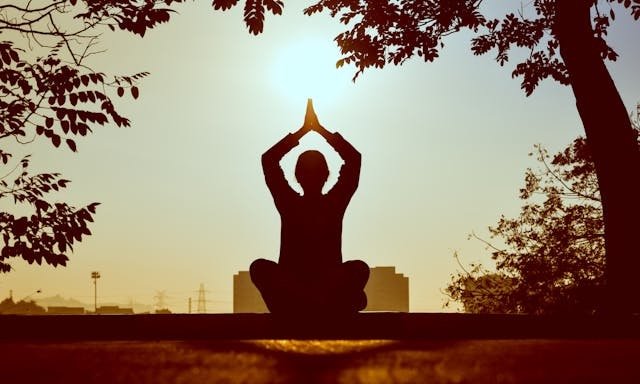
In our fast-paced, stress-filled world, mental health challenges are increasingly common. Anxiety, depression, and chronic stress affect millions of people worldwide. While professional mental health support is essential for serious conditions, yoga and meditation offer powerful complementary tools that can significantly improve mental well-being. Supported by both ancient wisdom and modern scientific research, these practices provide accessible, natural ways to enhance mental health.
At yoga teacher training programs in Bali and around the world, students discover firsthand how these practices transform mental health. The combination of physical movement, breathwork, and mindfulness creates a holistic approach to mental wellness that addresses the root causes of stress and emotional imbalance.
1. Reducing Stress and Anxiety
Stress and anxiety are among the most common mental health challenges, and yoga and meditation are particularly effective at addressing them.
How It Works
Yoga activates the parasympathetic nervous system—the "rest and digest" response—which counteracts the stress response. Physical postures release muscle tension that accumulates from stress, while deep breathing (pranayama) directly calms the nervous system. Meditation trains the mind to observe anxious thoughts without being overwhelmed by them, reducing the power of anxiety over time.
- Studies show that regular yoga practice can reduce cortisol levels (the stress hormone)
- Meditation has been shown to reduce activity in the amygdala, the brain's fear center
- Yoga postures like forward folds and gentle twists activate the relaxation response
- Breathwork techniques like alternate nostril breathing can immediately reduce anxiety
- Regular practice creates lasting changes in how the brain responds to stress
Best Practices for Stress Relief
- Practice gentle, restorative yoga poses when feeling anxious
- Use breathing exercises (4-7-8 breathing or box breathing) during stressful moments
- Meditate for 10-20 minutes daily to build resilience to stress
- Combine movement with mindfulness for maximum benefit
- Practice regularly rather than only when stressed—prevention is key
2. Alleviating Depression
Depression affects millions worldwide, and while professional treatment is essential, yoga and meditation can be powerful complementary therapies.
How It Works
Physical movement increases the production of endorphins and serotonin—neurotransmitters associated with mood and well-being. Yoga's combination of movement, breath, and mindfulness addresses multiple aspects of depression: the physical lethargy, the negative thought patterns, and the disconnection from the body.
- Yoga increases GABA (gamma-aminobutyric acid) levels, which helps regulate mood
- Physical practice can break the cycle of inactivity that often accompanies depression
- Meditation helps reframe negative thought patterns
- The social aspect of group classes can reduce feelings of isolation
- Regular practice creates a sense of accomplishment and self-efficacy
Yoga Styles for Depression
- Gentle or restorative yoga for days when energy is low
- Vinyasa or flow classes to build energy and motivation
- Yin yoga to release stored emotions and tension
- Any style practiced with self-compassion and without judgment
3. Improving Emotional Regulation
One of the most valuable skills for mental health is the ability to regulate emotions—to feel them fully without being overwhelmed or reactive.
How It Works
Meditation teaches you to observe emotions with non-judgmental awareness. Instead of suppressing or being overwhelmed by feelings, you learn to sit with them, understand them, and respond skillfully. Yoga provides a safe space to process emotions stored in the body, releasing them through movement and breath.
- Meditation increases activity in the prefrontal cortex, which regulates emotions
- Yoga helps release emotional tension stored in the body
- Breathwork can shift emotional states quickly
- Regular practice builds emotional resilience over time
- You learn to respond rather than react to emotional triggers
4. Enhancing Self-Awareness and Mindfulness
Self-awareness is fundamental to mental health. When you understand your thoughts, emotions, and patterns, you can make conscious choices rather than being driven by unconscious habits.
How It Works
Both yoga and meditation cultivate present-moment awareness. In yoga, you learn to observe physical sensations, breath, and the mind's reactions. In meditation, you practice observing thoughts and emotions without attachment. This awareness extends into daily life, helping you recognize unhelpful patterns and make healthier choices.
- Increased awareness of physical tension and stress signals
- Recognition of negative thought patterns before they spiral
- Better understanding of emotional triggers
- Ability to pause and respond thoughtfully rather than react impulsively
- Greater connection to your authentic needs and values
5. Building Resilience and Coping Skills
Life inevitably brings challenges, and resilience—the ability to bounce back from difficulties—is crucial for mental health. Yoga and meditation build this resilience systematically.
How It Works
Yoga teaches you to stay present and breathe through physical challenges, which translates to handling life's difficulties with more grace. Meditation builds the mental muscle of equanimity—the ability to remain balanced regardless of circumstances. Together, they create a toolkit for navigating life's ups and downs.
- Yoga poses that challenge you build mental strength and perseverance
- Meditation teaches you that difficult thoughts and emotions are temporary
- Regular practice creates a sense of inner stability
- You develop confidence in your ability to handle challenges
- The practices become a reliable resource during difficult times
Additional Mental Health Benefits
Improved Sleep Quality
Sleep and mental health are deeply interconnected. Poor sleep exacerbates mental health issues, while mental health challenges often disrupt sleep. Yoga and meditation can break this cycle by promoting relaxation and reducing the racing thoughts that interfere with sleep.
Enhanced Self-Compassion
Many mental health struggles are compounded by self-criticism and judgment. Yoga and meditation cultivate self-compassion, teaching you to treat yourself with the same kindness you would offer a friend. This shift in self-relationship is profoundly healing.
Better Focus and Cognitive Function
Mental health challenges often include difficulty concentrating, brain fog, or racing thoughts. Both yoga and meditation improve focus and cognitive function, helping clear mental clutter and enhance clarity.
Getting Started for Mental Health
If you're using yoga and meditation to support mental health:
- Start gently—even 10 minutes of practice can make a difference
- Be consistent—regular practice is more important than long sessions
- Choose practices that feel supportive, not overwhelming
- Work with a qualified teacher who understands mental health
- Combine with professional mental health support when needed
- Be patient—mental health improvements take time
- Practice self-compassion—some days will be easier than others
Yoga Teacher Training and Mental Health
At The Sun Yoga Teacher Training in Bali, students not only experience the mental health benefits of yoga and meditation but also learn how to support others on their mental health journey. The training includes understanding the psychological aspects of practice, recognizing when students might need additional support, and creating safe, inclusive spaces for healing.
"Yoga and meditation are not replacements for professional mental health care, but they are powerful tools that can support healing, build resilience, and enhance overall well-being. When practiced regularly and with proper guidance, they can transform your relationship with your mind and emotions."
The Science Behind It
Research continues to validate the mental health benefits of yoga and meditation:
- A 2017 review found that yoga can be an effective treatment for depression
- Studies show meditation can reduce anxiety symptoms by up to 60%
- Research indicates yoga increases GABA levels, which helps regulate mood
- MRI studies show meditation changes brain structure in areas related to emotional regulation
- Yoga has been shown to reduce PTSD symptoms in trauma survivors
The combination of yoga and meditation offers a comprehensive approach to mental health that addresses the physical, mental, and emotional aspects of well-being. Whether you're dealing with stress, anxiety, depression, or simply want to enhance your overall mental wellness, these practices provide accessible, natural tools for transformation. The key is to start where you are, be consistent, and approach the practice with patience and self-compassion.