 thesunyttcbali
 Table of Contents
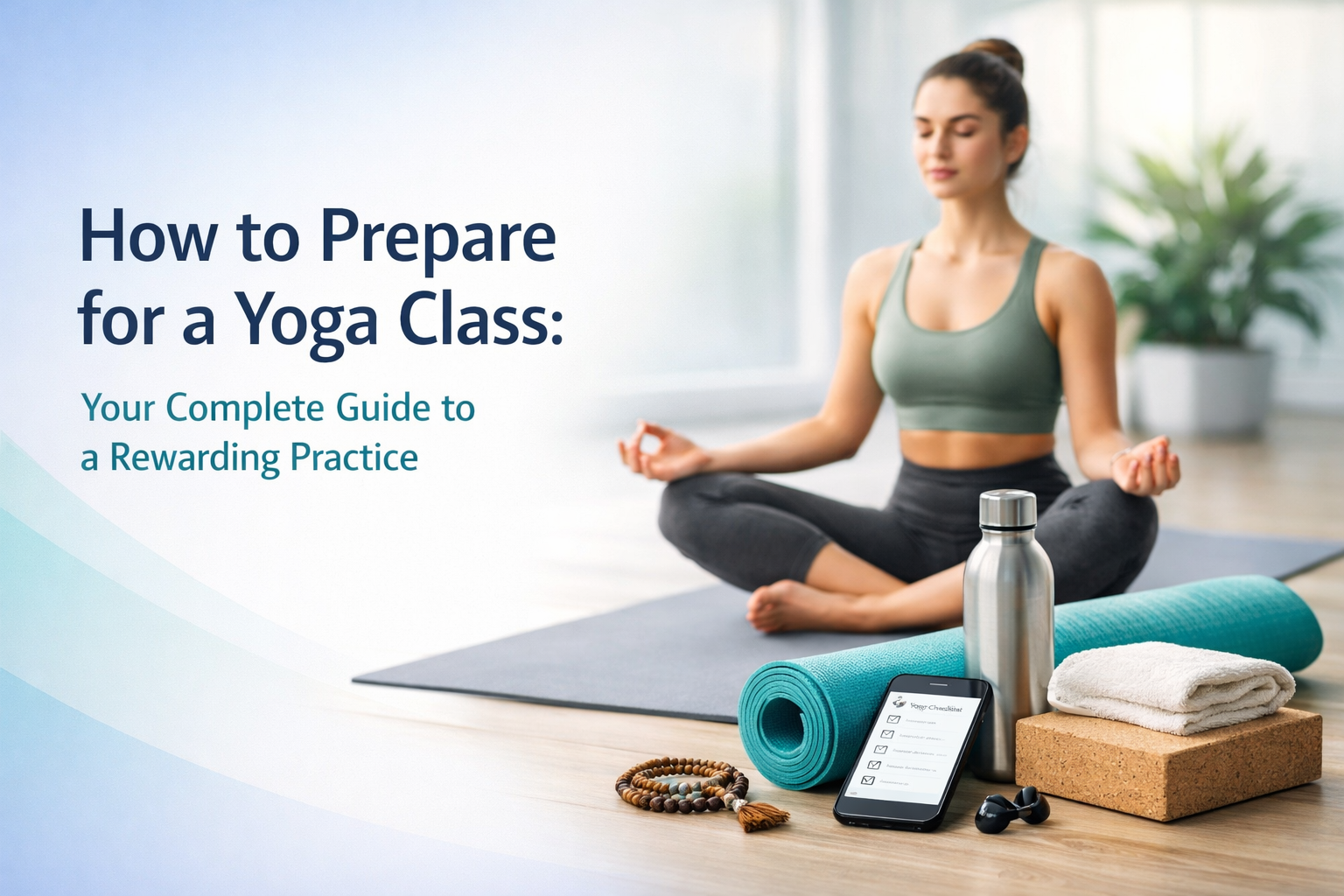
Better bodies, calm minds, and better strength are offered by yoga classes. However, leaping into something unsuspectingly may translate into slips, stomachaches, or a racing mind. It is easy and enjoyable to know how to prepare for a yoga class. The guide includes the fundamentals: choose the proper type of class, take a nice mat and comfortable clothes, have some light snacks, and warm up your body.
Breathe in quickly to get your mind straight. It can be a fast Vinyasa session at a studio or slow stretches at home, but good preparation reduces the number of injuries and increases good mood. Consider arriving early, with mat prepared, muscles relaxed and mind at ease- gliding easily through such poses as Surya Namaskar.
Why Preparation Matters Before Any Yoga Class
Rushing into a yoga class without getting ready often makes you feel uncomfortable or distracted. Your body needs to warm up your mind needs to focus. The space needs to be set up. Preparing well makes yoga more helpful, like reducing stress and improving your posture. Wellness experts have done studies. Found that people who prepare well for yoga are happier and get hurt less. Don’t make it up as you go. Just follow these steps to make your yoga sessions smooth.
Step 1: Choose the Right Yoga Class and Schedule It
Selecting the perfect class sets the foundation. Beginners might start with Hatha or gentle flow, while advanced yogis explore Vinyasa or Ashtanga.
- Research class styles: Hatha builds basics; Power Yoga ramps up intensity.
- Match your fitness level: Opt for beginner-friendly if new to poses.
- Book ahead: If you are ready to transition from a student to a guide, consider enrolling in a 200-hour Yoga Teacher Training in Bali to master the fundamentals.
- Consider timing: Morning classes energize; evenings unwind.
Arrive 10-15 minutes early to settle in and meet the teacher.
Step 2: Assemble Essential Yoga Gear
Quality equipment supports safe practice. No need for fancy items at first—essentials suffice.
Key items include:
- Yoga mat: Non-slip, cushioned for joints; thickness around 4-6mm works best.
- Comfortable clothes: Breathable fabrics like cotton or moisture-wicking blends; avoid baggy pants that slip.
- Water bottle: Stay hydrated during and after.
- Towel: For sweat in hot yoga.
- Optional props: Blocks, straps, bolster from studios if unavailable.
Wash gear regularly to keep things fresh. Studios often provide mats, but personal ones prevent slipping.
Step 3: Fuel Your Body with Smart Pre-Class Nutrition
Eating right powers through poses without cramps or fatigue. Aim for light, balanced meals 1-2 hours before.
Recommended pre-yoga foods:
- Bananas or apples: Quick energy from natural sugars.
- Yoghurt with nuts: Protein sustains longer holds.
- Oatmeal: Steady carbs for endurance.
- Avoid heavy meals: Greasy foods or caffeine overload the system.
Sip water steadily throughout the day. If you are practising in a tropical climate or attending a 7-day Yoga Retreat in Bali, doubling your electrolyte intake is essential to prevent dizziness.
Step 4: Build a Pre-Yoga Warm-Up Routine at Home
A 10-minute warm-up primes muscles and joints. Dynamic movements increase blood flow, reducing injury risk.
Try this simple sequence:
- Neck rolls: Gently circle head 5 times in each direction.
- Arm swings: Swing arms forward and back, 10 reps.
- Cat-Cow pose: On all fours, alternate arching and rounding back, 8 breaths.
- Standing forward fold: Bend at the hips, hold for 30 seconds.
- Ankle circles: Rotate each ankle 10 times clockwise and counterclockwise.
Breathe deeply throughout. This routine mimics class openers, easing the transition.
Step 5: Cultivate the Right Mindset and Breath Awareness
Yoga thrives on mental readiness. Distractions fade with intention-setting.
Practices to adopt:
- Set an intention: Focus on “strength” or “peace” for the session.
- Practice pranayama: Alternate nostril breathing for 5 minutes calms nerves.
- Limit screens: Step away from phones 30 minutes prior.
- Visualize flow: Picture smooth transitions between poses.
Consistency builds a meditative habit. Over time, this prep sharpens focus during Warrior poses or inversions.
Step 6: Set Up Your Home Practice Space (For Online or Hybrid Classes)
Virtual classes demand a dedicated spot. Clear clutter for safety and zen.
Ideal setup tips:
- Flat, spacious area: At least 6×6 feet.
- Good ventilation: Open windows for fresh air.
- Mirror optional: Check alignment without straining.
- Dim lights or candles: Enhance relaxation.
Test tech—stable internet, camera angle showing full body. Prop mats against walls for support.
Step 7: What to Do the Night Before a Yoga Class
Evening rituals pave the way. Wind down to wake refreshed.
Night-before checklist:
- Lay out clothes and mat: Avoid morning rushes.
- Light dinner: Veggies, lean protein, whole grains.
- Early bedtime: Aim for 7-8 hours of sleep.
- Journal reflections: Note goals from past classes.
This routine fosters discipline, much like athletes prep for games.
Handling Common Pre-Class Nerves or Challenges
Nerves hit everyone sometimes. Breathe through them.
Solutions for hurdles:
- Tight hips? Foam roll gently.
- Sore muscles? Apply arnica gel.
- Overbooked schedule? Shorten warm-up to 5 minutes.
- Menstrual cycle? Modify with props; inform the teacher.
Listen to the body—rest if needed. Yoga welcomes modifications.
Post-Class Recovery Tips to Maximize Benefits
Preparation extends beyond the mat. Wind down smartly.
After-class steps:
- Hydrate immediately: Replenish electrolytes with coconut water.
- Gentle stretches: Hold child’s pose 2 minutes.
- Nutritious snack: Smoothie with spinach, berries, and protein.
- Reflect: Note what felt good for next prep.
Consistent recovery amplifies gains in flexibility and calm.
Advance Maximisation for Specific Yoga Styles
Tailor prep to class type.
For Hot Yoga (Bikram or Infrared)
- Hydrate extra: 16-20 oz of water hours before.
- Electrolyte drink: Prevent dizziness.
- Light tank tops: Quick-dry fabrics are essential.
For Aerial or Acro Yoga
- Core warm-up: Planks and leg raises.
- Grip towel: For silks or partner trust.
For Yin Yoga (Long Holds)
- Props ready: Bolsters for deep stretches.
- Silent mindset: Embrace stillness.
Customization ensures peak performance.
Seasonal Preparation Adjustments
Weather influences readiness.
Summer tweaks:
- Lightweight clothes, an extra towel.
- Pre-cool with fans.
Winter adjustments:
- Layer up, warm layers off slowly.
- Heat pads for cold muscles.
Preparation for Group vs. Private Yoga Classes
Groups energize; privates personalize.
Group preparation:
- Arrive early, claim a spot.
- Respect space: No strong scents.
Private sessions:
- Share goals with the teacher.
- Home setup mirrors the studio.
Both benefit from the same core steps.
Long-Term Habits for Lifelong Yoga Preparation
Mastery comes from routine. Track progress in a journal.
Build these habits:
- Weekly gear check: Clean and repair.
- Monthly flexibility tests: Measure forward folds.
- Short Immersions: If you can’t commit to a month, consider a 5-day Yoga Retreat to reset your system.
Conclusion
Preparing for a yoga class transforms routine sessions into profound journeys of body and mind. From gear to breathwork, each step builds confidence and depth. Embrace these practices consistently, and yoga becomes a sustainable lifestyle. Step on the mat prepared—watch strength, peace, and joy unfold.
Frequently Asked Questions
Should one eat before or after yoga?
A light meal, 1-2 hours to work miracles, providing constant energy without making you heavier. Just imagine a banana with almond butter or yoghurt. Heavy stuff like pizza? It results in cramps when doing such deep twists- believe yogis who have done it harder.
What if a beginner forgets their yoga mat?
No worries—most studios keep rentals or extras handy for just this. Pop in 15 minutes early to snag one, chat with the front desk, and get settled. It’s a great icebreaker with fellow newbies, too.
Is there a difference in the preparation between morning and evening classes?
Absolutely. Mornings also require light kick-starters such as warm lemon water to get the system going. Evenings? End the day with chamomile tea or a lavender spritz- before the downward dog, it melts the stress of the day.
How many glasses of water to take before yoga?
Start hydrating in the morning; aim to drink 16-32 ounces in the morning, an hour or two before the workout, and drink in between poses. A pinch of sea salt or electrolyte will hold it–keeps one out of dizziness in that hot room.
What warm-up for stiff backs?
Begin with Cat-Cow on all fours, arch and round 8 breaths, then progress to gentle twists of the spine, with 30 seconds on each side. As hugging your back with a loving hug, you have to do it twice to feel better.
Is it correct to do yoga when one is full?
Fade it- allow 2-3 hours following major meals to prevent mid-flow nausea. Closer to class? Take a snack such as an apple to get instant energy. Your intestines will be grateful for the forward bends.
How to prepare mentally for challenging poses?
Pick a simple intention like “I am strong,” then spend 2-3 minutes visualizing nailing that pose. Toss in a quick meditation app or seated breaths—it quiets the inner critic and builds real confidence.
What are the clothes that can go with any yoga outfit?
Select fitted and stretchable leggings or shorts with soft and breathable tops that move with you. Toss all zippers, buttons and hanging jewellery- it catches on in inversion and distracts all.
Is it better to purchase or rent props?
You need not commit yourself; borrow what you like at the studio to first test what you like. When you are hooked, snag your own blocks, straps, or a bolster to practice at home; they make the practice of tweaks natural and supportive.
What do you do to feel better after a class?
Relax: foam roller, rest legs-up-the-wall pose, roll out knots with a foam roller and have a glass of turmeric-ginger tea, as a natural anti-inflammatory. Next time dial back more–the muscles will spring back harder.